
Period Property Painters in Bath

Bath Decorators connects Bath homeowners with a trusted local decorator for period property painting.
- Lime plaster checked before compatible preparation and finish options are proposed
- Original joinery and period mouldings checked before a preparation method is agreed
- Exterior systems proposed after stone or render and existing coatings are identified
- Colour-reference and sample options discussed for the checked room or exterior
- The decorator identifies each exterior substrate before proposing cleaning, repairs, primer and coating options.
The actual substrate, existing coating and condition are checked before preparation and finish options are proposed. Lime plaster interiors, Bath stone exteriors, and period joinery each demand specific preparation and products. Your decorator specifies products suited to the checked surface.
Call for a written quote.
How Bath Decorators Works
Bath Decorators connects Bath homeowners with a trusted local decorator. Tell us about the job and we’ll match you with the right decorator for your area — one we know and rate.
From the first site visit to the written quote, the work, and the guarantee that backs it, everything is handled directly between you and your decorator. We make the introduction and stay on hand; they do the work and stand behind it.
Why Choose Bath Decorators
Surface-Led Planning
Preparation and finish choices are agreed for the checked surfaces.
Clear Pricing
The quote records the agreed scope and price. Any later change is agreed with you before work continues.
Fully Insured
Ask the decorator to confirm the cover held for the agreed work.
Trusted Local Decorator
Bath Decorators connects homeowners with a trusted local decorator for the work described here.
Request My Quote
Speak to a period-property painter today
Period Property Painting Services
Lime Plaster Walls and Compatible Paints
Lime plaster is breathable: it absorbs and releases moisture as damp air moves through the seasons.
Some PVA-based primers may be incompatible with lime plaster and contribute to coating failure; the decorator checks the surface and current product guidance before specifying a primer.
The decorator checks whether lime plaster is present before discussing compatible preparation and finish options under current product guidance. For further detail on the interior painting approach, see that page.
Original Joinery and Period Woodwork
Timber condition, paint build-up and any repair needs are checked before preparation is agreed.
The decorator checks each joinery profile and coating before proposing hand sanding, mechanical preparation or another controlled method.
Where paint has built up to the point of obscuring detail, your decorator may propose controlled heat or chemical stripping after checking the timber, coating, and safety requirements. Primer compatibility and coating performance vary with timber condition, product system, exposure, and application guidance.
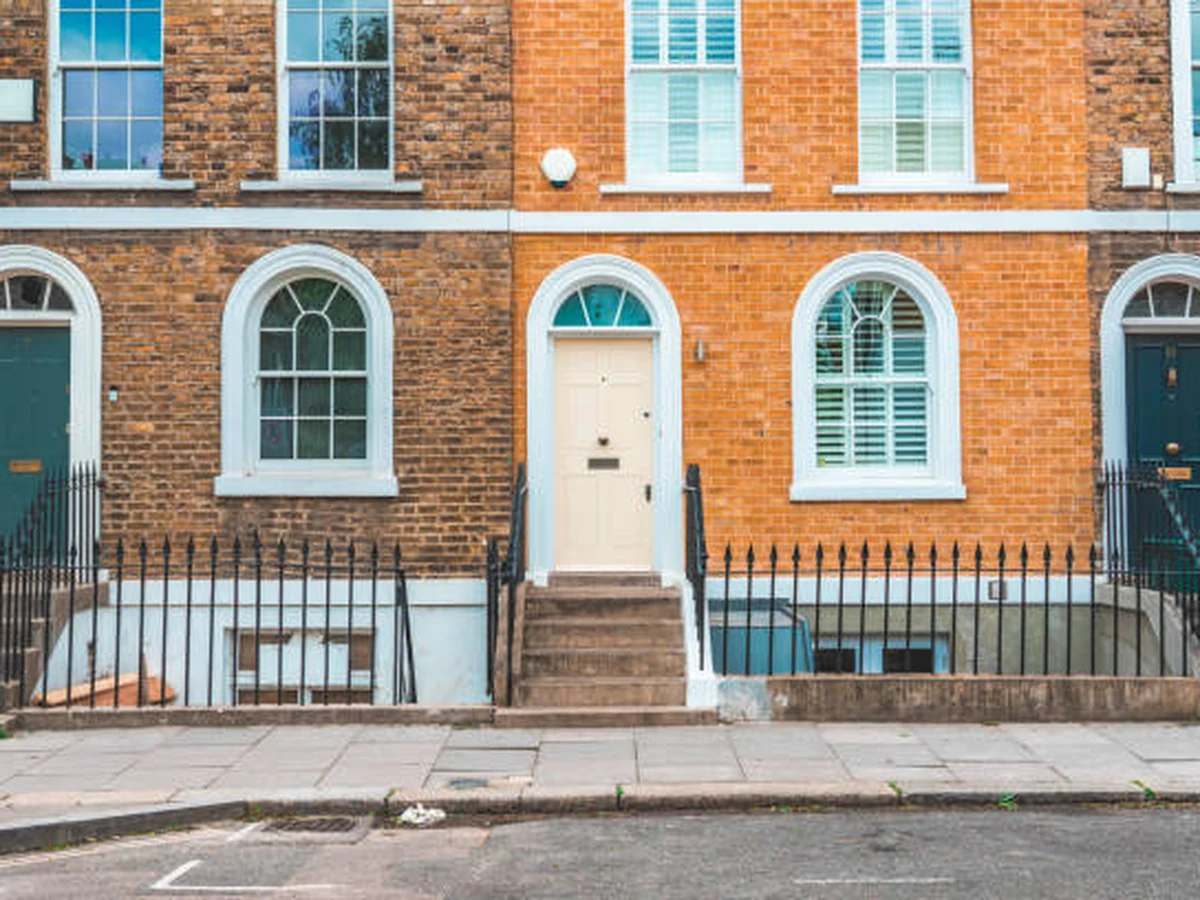
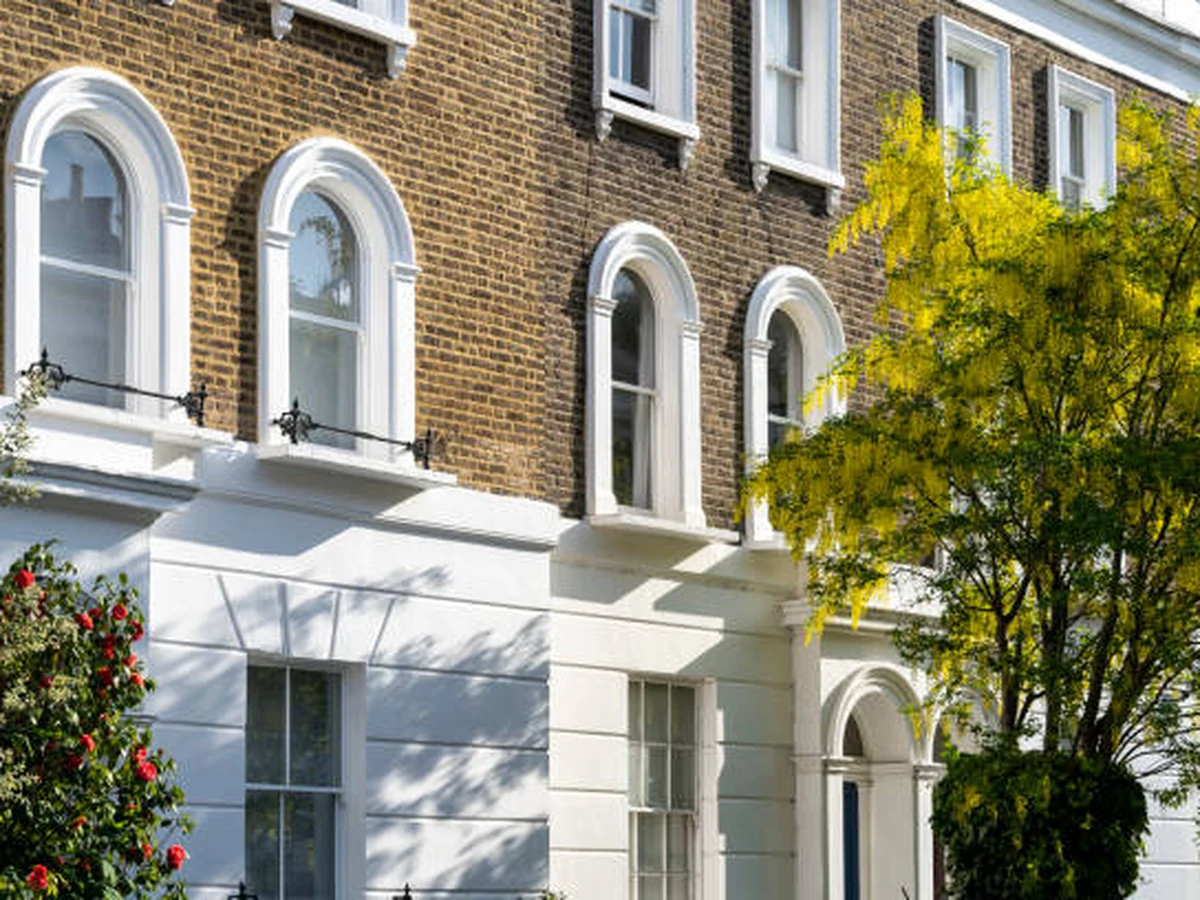
Bath Stone and Heritage Colour Schemes

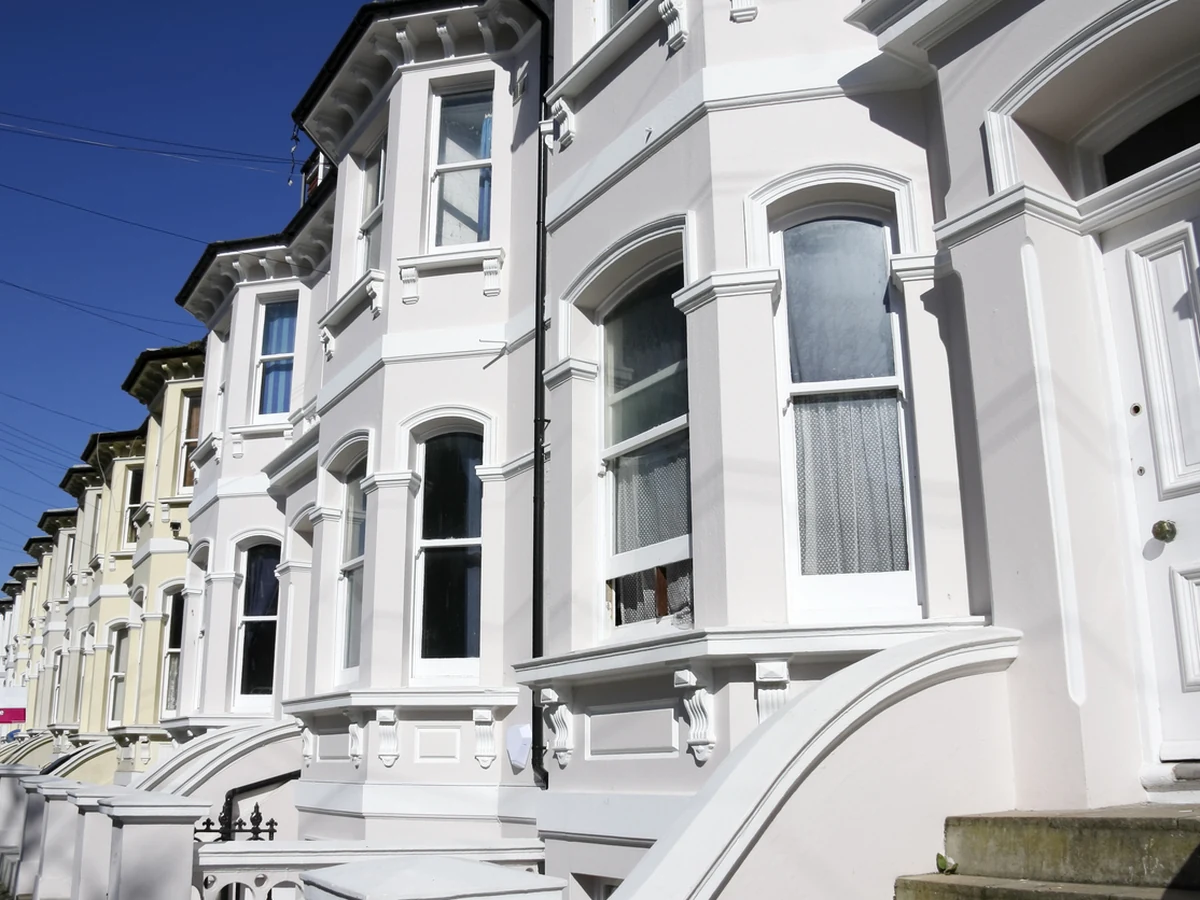
Bath Stone and Breathable Exterior Coatings
Bath stone and any existing coating are identified before moisture behaviour and coating compatibility are assessed.
Your decorator checks Bath stone before proposing a compatible masonry system; product performance follows the selected manufacturer specification.
Consent requirements vary by property and proposed change; the owner should confirm them with the relevant authority. For a full overview of exterior painting for period properties, see the exterior page.
Heritage Colour Schemes
Colour choices are discussed against the room, available light, existing features and any confirmed restrictions.
Your decorator can discuss heritage colour ranges during the survey; the written quote records the selected colour, product, and surface specification.
Where an existing colour is to be matched, ask which sample-matching options are available for the checked surface.
Here’s How It Works
1. Surface and Feature Review
The decorator records the surface type, existing coating, profile condition and any repair dependency before preparation is proposed.
2. Product Selection
Your decorator selects products after each surface is checked before any work begins. The proposed primer and finish depend on the checked lime plaster, period timber, or Bath stone and current product guidance. You receive a quote that specifies each product and why it was chosen.
3. Surface Preparation
Preparation is specified after the joinery profiles, plaster, paint build-up, coating type and safety requirements are checked. Any heat or chemical stripping is stated separately in the quote. Preparation requirements are recorded after the surfaces are checked.
4. Paint Application
The quotation records the surfaces and coating system included; application and drying follow the selected product instructions.
5. Inspection and Completion
After the selected product has cured, the surfaces are inspected in good light and any further work is discussed against the agreed scope. Your decorator walks through the finished work with you and provides maintenance advice before closing the job.
Request My Quote
Get a quote for your period property
Period Property Painting Costs in Bath
Period property painting costs depend on scale, surface type, and whether the project covers interior, exterior, or both. The quote reflects the identified surfaces, preparation, access and compatible product system rather than assuming requirements from the property’s age.
Period-property decorating is quoted for the individual scope after a site visit.
What Affects the Price
Surface type. For lime plaster, compatible products and preparation are specified after the wall and existing coating are identified; their cost is itemised in the quote.
The price is prepared for the individual scope after the surfaces and access have been inspected.
Project scope. Interior-only, exterior-only, and combined projects all carry different costs. A combined scope can be checked and priced against separate visits in the quote.
What Shapes the Quote
- The quote is based on the checked surfaces, preparation, access and requested finish.
- Extra preparation and access requirements are identified before the price is agreed.
- Exterior decorating: surface condition, repairs, access and coating choice are itemised.
Call for a quote based on your property.
Period Property Painting FAQs
Request My Quote
Fill in the form below for a written quote: